

Deinonychus antirrhopus
Deinonychus for kids
Deinonychus was a feathered raptor relative with a large sickle claw on each second toe.
The essentials
What should you know about this dinosaur?
- Length: 3.4 m long
- Height: about 1.2 m tall
- Weight: about 100 kg
- Food: Meat eater
- Time: Cretaceous
- Region: North America
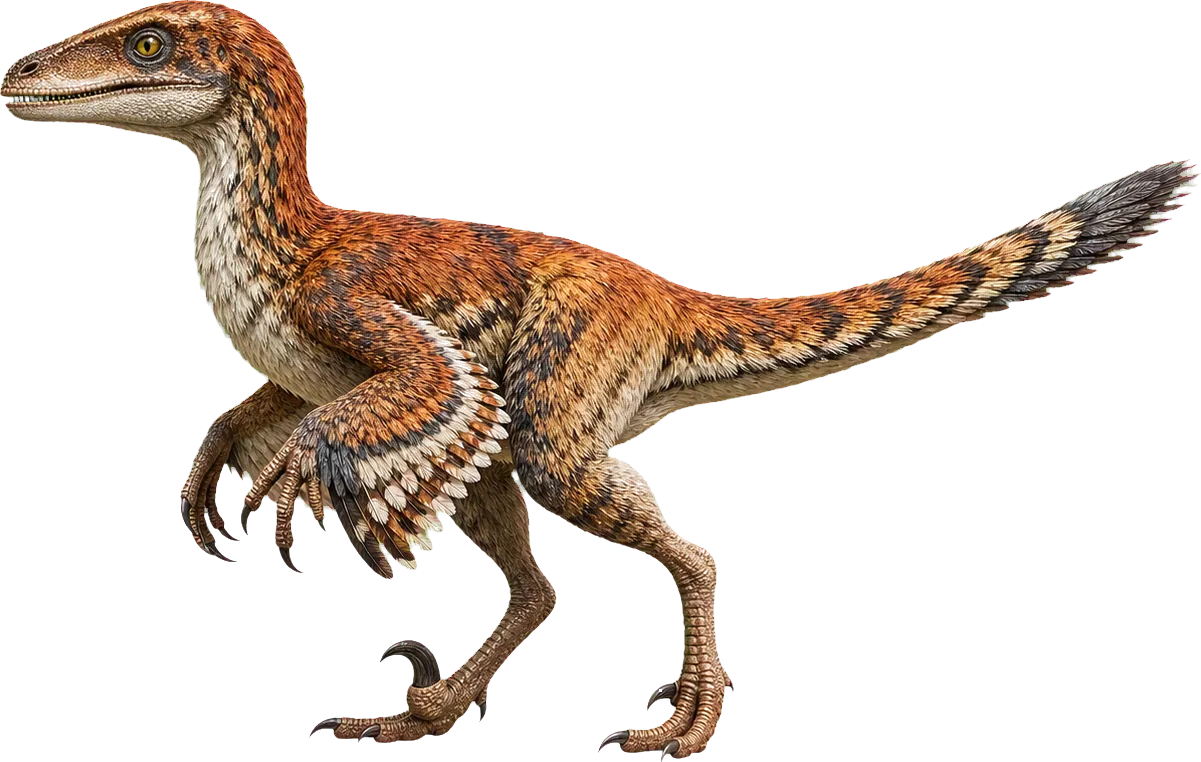
How large was Deinonychus
The height line shows the body above the hips. Much of the length comes from the stiff tail.
Compare in the toolLook a little closer
More about Deinonychus
Short chapters for curious children and grown-ups who want to read along.
Deinonychus
Deinonychus means terrible claw, and this name lands right away. On each foot, the second toe carried a large curved sickle claw that stayed lifted while it walked. The body was far smaller than T-Rex, but built for action: long stiff tail, grasping hands, sharp teeth. Tenontosaurus, a plant eater, lived in its Cretaceous world and appears often in the same fossil discussions. Deinonychus is raptor excitement without giant size.
Size
Deinonychus was about three and a half meters long, so it was no giant monster. Much of that length came from tail. The body itself was agile, with strong hind legs and grasping arms. Next to huge predators it looks small, but beside a person it would still be impressive: hip-high, quick, and carrying a foot tool no one misses.
3.4 m long1.2 m talllong tail
Food
Deinonychus ate meat. Its world included smaller animals and Tenontosaurus, a much larger plant eater. Fossils often bring the two names together, without needing to build a perfect chase scene. The important part is the gear: serrated teeth, grasping hands, strong legs, and the sickle claw. Deinonychus was an active predator, not just a leftover nibbler.
meat eaterTenontosaurus neighborserrated teeth
Habitat
Deinonychus lived in Early Cretaceous North America, in places with rivers, planty ground, and many reptiles. The Cloverly and Antlers rocks preserve pieces of that world. It was not only a land of giants. Medium plant eaters, little animals, and quick predators shared the space. Deinonychus fits that active ground-level landscape.
North AmericaEarly CretaceousCloverly world
Protection
The famous claw sat on the second toe and was not pressed flat into the ground while walking. It stayed lifted, helping keep the tip sharp. Grasping hands and a steady tail added to the toolkit. Deinonychus wore no armor; it was a grabber and leaper. Its defense and hunting power sat in quick movement, teeth, and that special toe.
sickle clawgrasping handsno armor
Movement
The tail of Deinonychus was stiffened by long bony rods. That let it help like a balancing pole during runs and turns. Picture a raptor holding the body forward, tail straight back, sickle claw carried above the ground. Every turn needed balance, and this body was built for exactly that.
stiff tailbalancequick turns
Did you know?
Deinonychus became famous because its bones look active: stiff tail, grasping arms, light legs, and that sickle claw. The find did not fit slow old ideas about dinosaurs. Suddenly dinosaurs felt more alert, faster, and more bird-like. The sickle claw is still the star, like an exclamation mark on the toe.
terrible clawactive bodyraptor relative
about 1.2 m tall
Beside a child, Deinonychus is not enormous like T-Rex, but it feels closer and more agile. The sickle claw sits on the foot, the tail reaches far back, and the head rides at a very serious height.
Keep reading
Related dinosaurs
Cretaceous
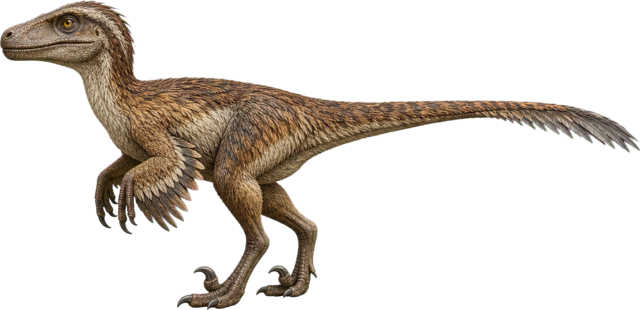
Velociraptor
Velociraptor was a small feathered predator from Mongolia, with a sickle claw and long tail.
Read about this dinosaur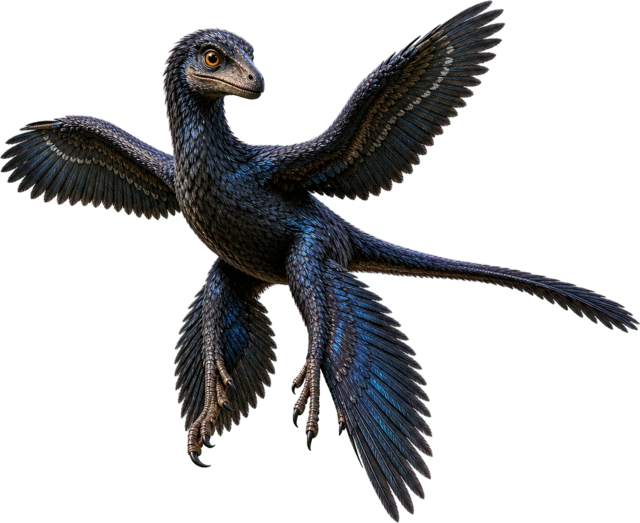
Cretaceous
Microraptor
Microraptor was a small feathered dinosaur with long feathers on both arms and legs.
Read about this dinosaur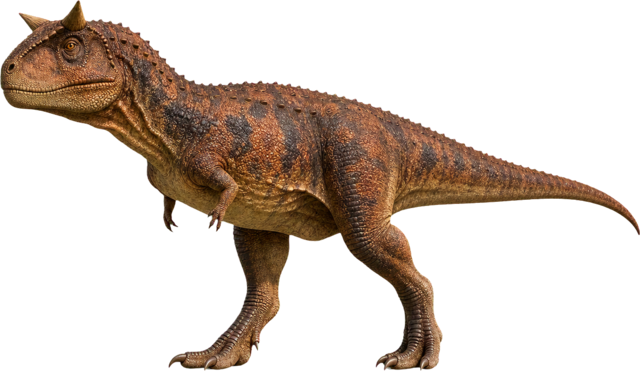
Cretaceous
Carnotaurus
Carnotaurus was a fast meat eater with short horns, extremely small arms, and fossil skin impressions.
Read about this dinosaur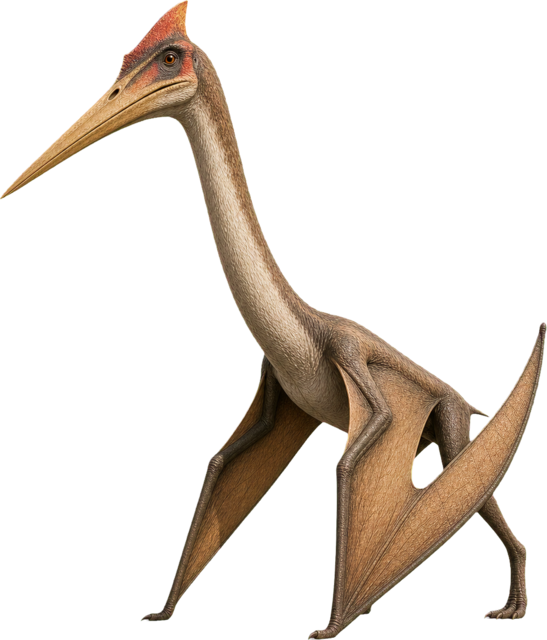
Cretaceous
Quetzalcoatlus
Quetzalcoatlus was a giant pterosaur, not a dinosaur, with a long neck and enormous wingspan.
Read about this dinosaurSources and review
How this page is checked
Names, periods, locations, diets, and size estimates are compared with museum and paleontology reference collections. Estimates are rounded and updated when the underlying content changes.
Last content review: June 22, 2026
Read our research method and sources