

Parasaurolophus walkeri
Parasaurolophus for kids
Parasaurolophus was a duck-billed dinosaur with a long hollow crest on its head.
The essentials
What should you know about this dinosaur?
- Length: 9 m long
- Height: about 3 m tall
- Weight: about 5 tonnes
- Food: Plant eater
- Time: Cretaceous
- Region: North America
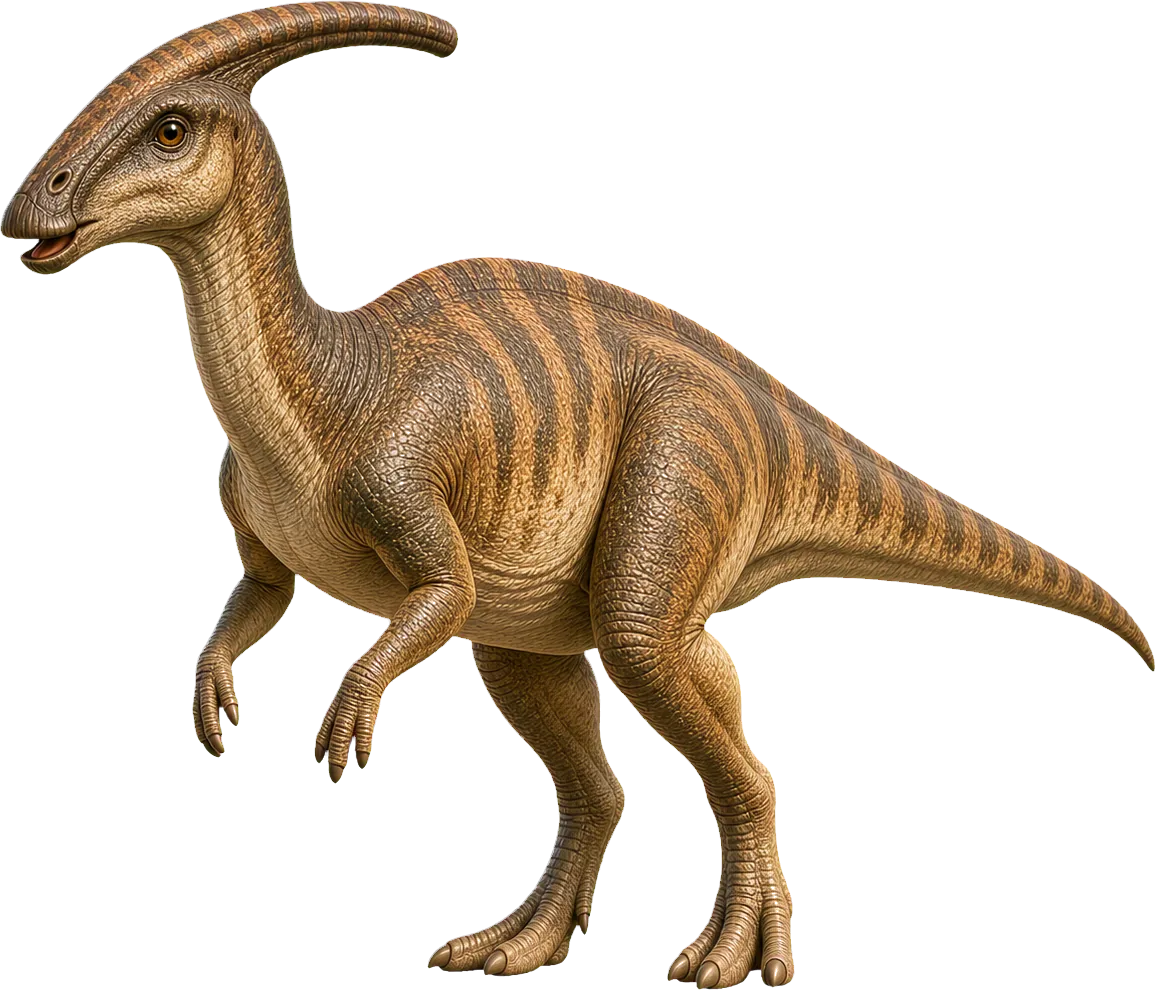
How large was Parasaurolophus
The height line shows the body stance. Crest and tail extend the outline backward.
Compare in the toolLook a little closer
More about Parasaurolophus
Short chapters for curious children and grown-ups who want to read along.
Parasaurolophus
Parasaurolophus looks as if it has a curved trumpet on its head. The long crest was hollow inside and connected with the breathing passages. Air could move through those tubes and create low calls. This plant eater belonged to the duck-billed dinosaurs and lived in Late Cretaceous North America. Its mouth held many teeth in rows for grinding plants. In Parasaurolophus, the head was both sound maker and feeding tool.
Size
Parasaurolophus was about nine meters long. The body was large and strong, but the eye goes straight to the crest. That long tube stretched backward from the skull and made the head look much longer. The dinosaur could walk on four legs and also lift higher. With that crest, it feels like a big plant eater with a built-in wind instrument.
9 m long3 m talllong crest
Food
Parasaurolophus ate plants. Like other duck-billed dinosaurs, it had many teeth packed in rows. As old teeth wore down, new ones moved in. That helped it grind tough plant material. A broad beak at the front cropped food, and tooth batteries worked farther back. The crest made sound, but the mouth did the plant work.
plant eatertooth batteriesbroad beak
Habitat
Parasaurolophus lived in North America during the Late Cretaceous. Its world had rivers, woods, and open areas where large plant eaters moved. A low call from the hollow crest could carry across places like that. Picture a herd where some dinosaurs did not roar, but sounded through the air like deep horns.
North AmericaLate Cretaceousriver lands
Protection
Parasaurolophus had no long forehead horns like Triceratops and no armor. The most noticeable head part was the crest. It could help with recognizing, calling, and display. Around predators, size, herd life, and movement mattered too. The crest was not a spear; it was more like a signal device that made this dinosaur special from far away.
hollow crestlow callsherd
Movement
Parasaurolophus could walk on four legs, especially while feeding and moving calmly. The hind legs were strong, so a higher posture was possible too. The tail helped with balance. With a long body, strong legs, and the crest reaching backward, it felt like a big plant train that could hear, call, and eat.
four legsstrong hind legsbalance
Did you know?
The best Parasaurolophus detail sits hidden in the head. The crest was not solid; tubes ran through it. That shape turned it into a dinosaur instrument. When air moved through, low tones could come out. The skull was not just a shape to look at; it was a built-in sound body.
hollow crestsound tubelow tones
about 3 m tall
Beside a child, Parasaurolophus looks large, and the crest makes it seem even longer. The height shows the body, while the head tube reaches backward. You can spot at once: this dinosaur had sound in its skull.
Keep reading
Related dinosaurs
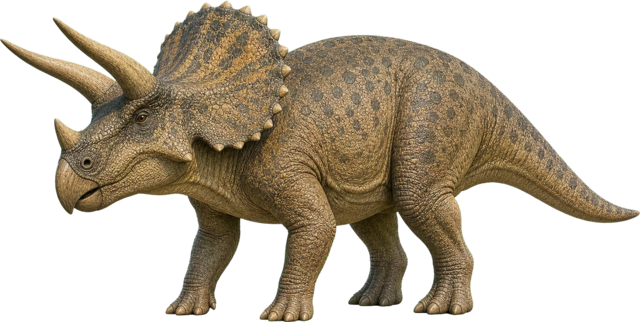
Cretaceous
Triceratops
Triceratops was a large plant eater with three horns, a neck frill, beak, and strong teeth.
Read about this dinosaur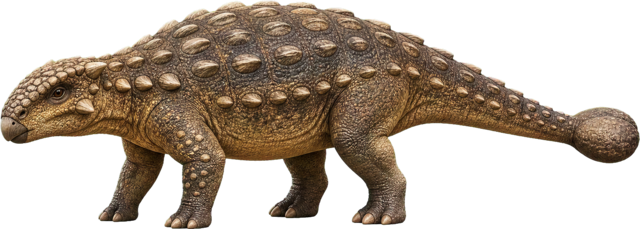
Cretaceous
Ankylosaurus
Ankylosaurus carried bony armor in its skin and a heavy club at the end of its tail.
Read about this dinosaur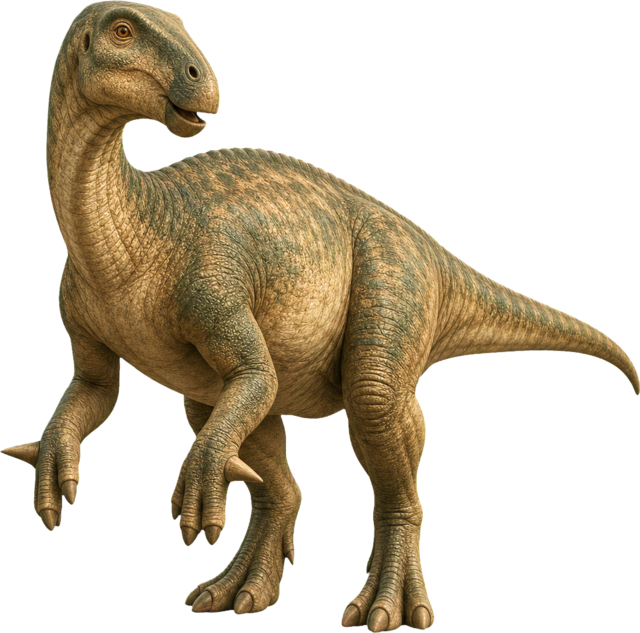
Cretaceous
Iguanodon
Iguanodon was a large plant eater with iguana-like teeth, hoof-like fingers, and a thumb spike.
Read about this dinosaur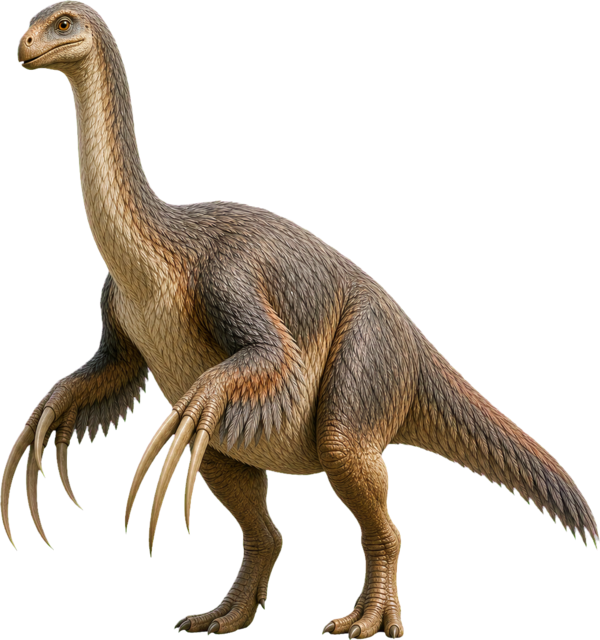
Cretaceous
Therizinosaurus
Therizinosaurus was a strange theropod from Mongolia, with enormous hand claws and a plant-eater body.
Read about this dinosaurSources and review
How this page is checked
Names, periods, locations, diets, and size estimates are compared with museum and paleontology reference collections. Estimates are rounded and updated when the underlying content changes.
Last content review: June 22, 2026
Read our research method and sources