

Pteranodon longiceps
Pteranodon for kids
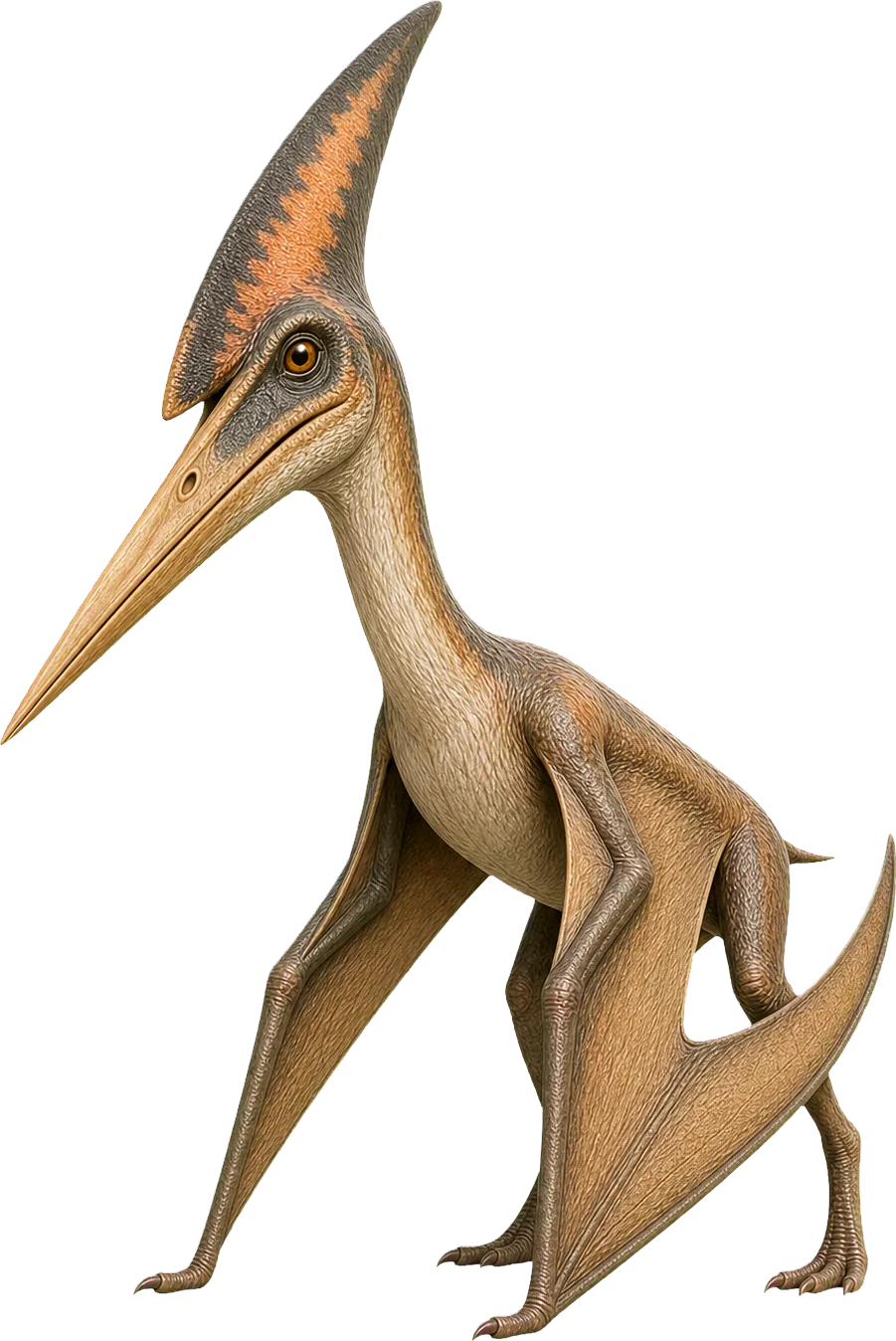
Pteranodon was a toothless pterosaur with a long beak, head crest, and huge wingspan.
The essentials
What should you know about this dinosaur?
- Wingspan: 6 m wingspan
- Height: about 1.8 m on the ground
- Weight: about 25 kg
- Food: Fish eater
- Time: Cretaceous
- Region: North America
How large was Pteranodon
The height line shows the body with folded wings. Wingspan would spread much wider to the sides.
Compare in the toolLook a little closer
More about Pteranodon
Short chapters for curious children and grown-ups who want to read along.
Pteranodon
Pteranodon was not a dinosaur; it was a pterosaur. It lived over the Western Interior Seaway, a huge sea that covered part of North America during the Cretaceous. Its name means toothless wing, and that fits: the long beak had no teeth. A crest sat at the back of the head. The wings were skin stretched along an extra-long finger. On the ground, the body was much smaller than the wingspan suggests.
Size
Pteranodon could have a wingspan of several meters. On the ground, the standing body with folded wings counts, not the whole flight width. That matters for pterosaurs. A grounded Pteranodon looks lower, but with wings spread it suddenly needs a lot of room. Small body, huge wings: that split is the interesting part.
large wingspan1.8 m tallfolded wings
Food
Pteranodon mostly ate fish. The long toothless beak could grab food from water. Beneath it swam fish, sea turtles, and other animals of the Western Interior Seaway. It was no land predator and no plant eater. Its world was above water: fly, watch, dip or grab, then rise again over the waves.
fish eatertoothless beaksea
Habitat
Many Pteranodon fossils come from the Niobrara Chalk of Kansas. That rock formed in a warm Cretaceous sea, not in a desert. Pteranodon could fly above that water while fish and marine reptiles lived below. Instantly different from land dinosaurs: its fossil world feels like salt, chalk, and wide water.
KansasNiobrara Chalkinland sea
Protection
Pteranodon had no armor. Its bones were light, the wings large, and the body built for flight. The head crest was noticeable and helped with recognition and head balance. Around danger, the best answer was often to stay in the air, keep distance, and move out over the sea. A pterosaur protected itself differently from Ankylosaurus.
light boneshead crestno armor
Movement
Pteranodon's wings were not bird feathers. The flight skin stretched along one enormously long finger. On the ground it could use all four limbs, with wing-arms in front. In the air, long skin wings carried it above the sea. A wonderfully strange build: a hand turned into a flying surface.
finger wingskin wingfour limbs
Did you know?
Pteranodon means toothless wing. Pterosaurs often get mixed with dinosaurs, but Pteranodon belongs on its own reptile branch. It lived in dinosaur time, yet its body says air instead of land: beak with no teeth, crest on the head, long skin wings, and bones light like Cretaceous flight gear.
toothless wingpterosaurCretaceous
about 1.8 m on the ground
Beside a child, Pteranodon stands with folded wings. That lets you see body height. Its big number is wingspan, but that belongs in the air, not as standing height beside the child.
Keep reading
Related dinosaurs
Cretaceous
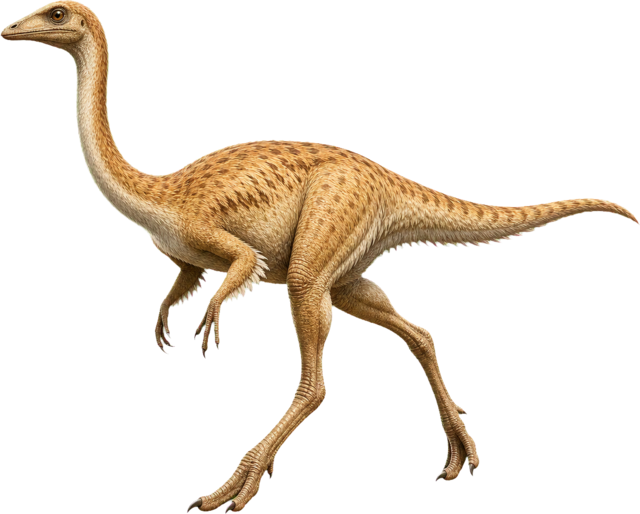
Gallimimus
Gallimimus was a large ornithomimosaur with a toothless beak, long legs, and long arms.
Read about this dinosaur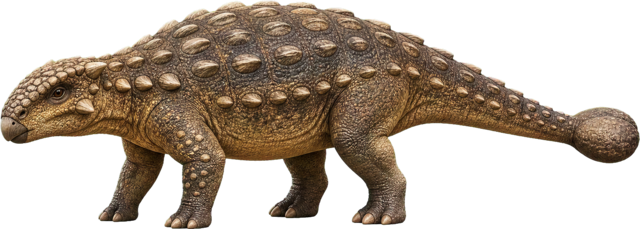
Cretaceous
Ankylosaurus
Ankylosaurus carried bony armor in its skin and a heavy club at the end of its tail.
Read about this dinosaur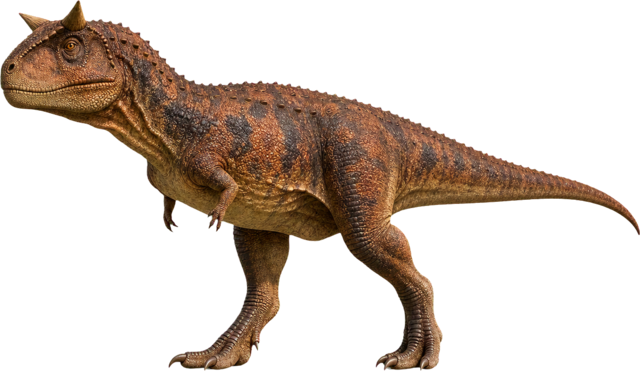
Cretaceous
Carnotaurus
Carnotaurus was a fast meat eater with short horns, extremely small arms, and fossil skin impressions.
Read about this dinosaur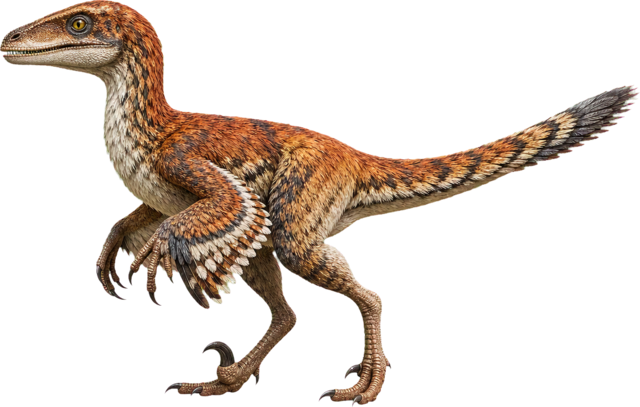
Cretaceous
Deinonychus
Deinonychus was a feathered raptor relative with a large sickle claw on each second toe.
Read about this dinosaurSources and review
How this page is checked
Names, periods, locations, diets, and size estimates are compared with museum and paleontology reference collections. Estimates are rounded and updated when the underlying content changes.
Last content review: June 22, 2026
Read our research method and sources