

Coelophysis bauri
Coelophysis for kids
Coelophysis was a slim early meat eater with hollow bones and many fossils from New Mexico.
The essentials
What should you know about this dinosaur?
- Length: 2 m long
- Height: 1 m tall
- Weight: about 27 kg
- Food: Meat eater
- Time: Triassic
- Region: North America and southern Africa
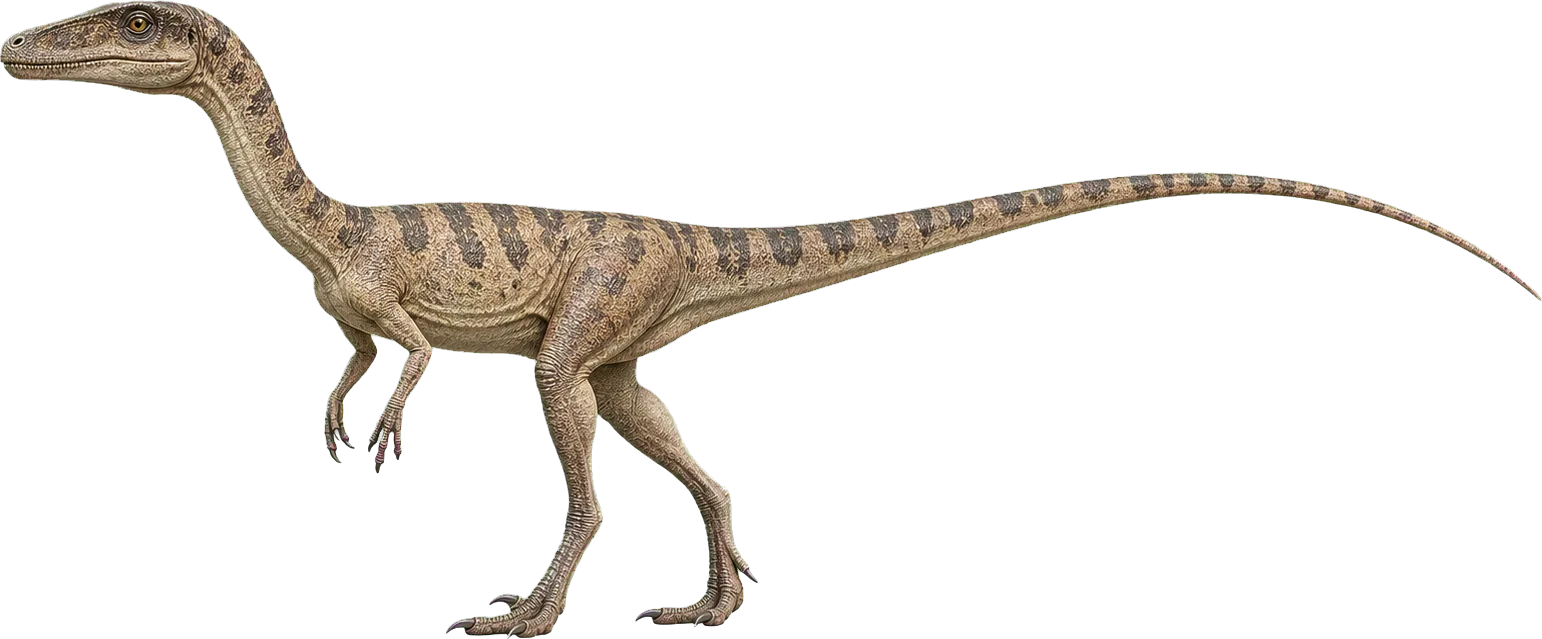
How large was Coelophysis
The height line sits close to child height. Much of the length comes from neck and tail.
Compare in the toolLook a little closer
More about Coelophysis
Short chapters for curious children and grown-ups who want to read along.
Coelophysis
Coelophysis takes us far back into the Triassic. It lived long before Allosaurus and T-Rex. The body was slim, the neck long, and the bones light inside. At Ghost Ranch in New Mexico, whole blocks packed with Coelophysis bones were found. That feels like a dinosaur snapshot from deep time. This early hunter was no giant; it was a quick seeker of small animals, reptiles, and insects.
Size
Coelophysis was about two meters long, but much of that was tail. The body stood only around one meter high. It was not bulky; it was narrow, with long legs and a long neck. The name means hollow form, matching its light bones. A body like that saves weight and fits an early hunter that could zip around obstacles.
2 m long1 m talllight bones
Food
Coelophysis ate meat, but it was no giant hunter. Small reptiles, insects, and other little animals fit its narrow head and quick legs much better. In the Triassic, dinosaurs were just becoming important. Coelophysis was one of the early two-legged meat eaters, fast enough to search the ground for moving prey.
meat eatersmall animalsTriassic hunter
Habitat
Ghost Ranch in New Mexico is famous for Coelophysis. Dense blocks of rock were found there with many animals inside. The Triassic landscape was warm, with river channels and dry areas. The place matters because it shows more than one dinosaur. It shows a whole crowd of an early dinosaur that must have been common in its world.
New MexicoGhost Ranchbone blocks
Defense
Coelophysis had no armor, no horns, and no club. Its best gear was movement. A light body, long legs, and a balancing tail helped with quick turns. The teeth and small claws were feeding tools, not giant-animal showpieces. In a Triassic world with larger reptiles around, being quick was a very useful plan.
no armorlong legsnimble body
Speed
The light bones did not make Coelophysis glass-fragile; they saved weight. The long tail held balance while the hind legs carried the body. Picture quick springy steps: head forward, neck long, tail straight behind. Coelophysis feels like an early version of many later two-legged dinosaur hunters.
hollow bonestwo-leggedlong tail
Did you know?
Coelophysis lived so early that many famous dinosaurs did not exist yet. Its world looked different, and many large land animals were other reptiles. Here is the wonder: it shows what a fast meat eater could look like in the Triassic. Small, light, alert, with a name that points right inside the bones.
very earlyTriassichollow form
about 1 m tall
Beside a child, Coelophysis is not gigantic, but it looks long and slim. The tail supplies much of the length, while the body stays light. That shape gives away the quick Triassic runner.
Keep reading
Related dinosaurs
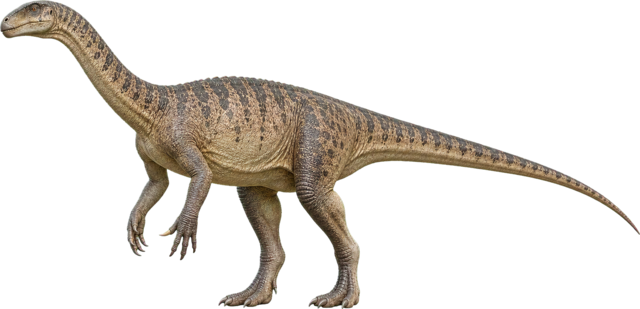
Triassic
Plateosaurus
Plateosaurus was a large early plant eater from Europe, with a long neck, grasping hands, and thumb claws.
Read about this dinosaur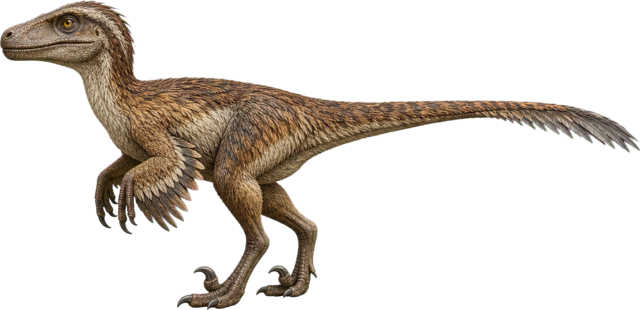
Cretaceous
Velociraptor
Velociraptor was a small feathered predator from Mongolia, with a sickle claw and long tail.
Read about this dinosaur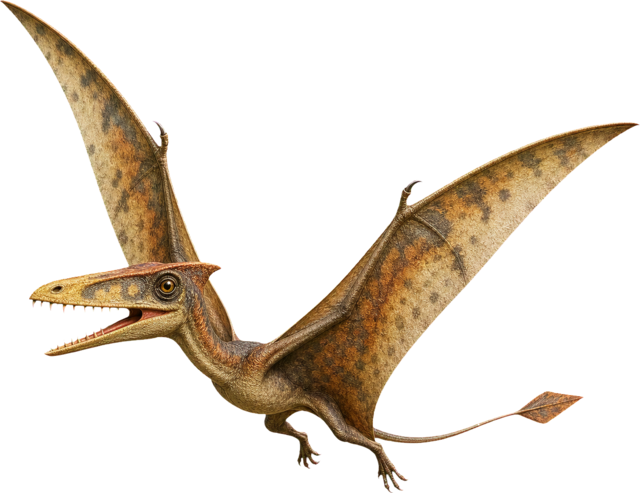
Jurassic
Dimorphodon
Dimorphodon was a pterosaur, not a dinosaur, with a large head and two different tooth shapes.
Read about this dinosaur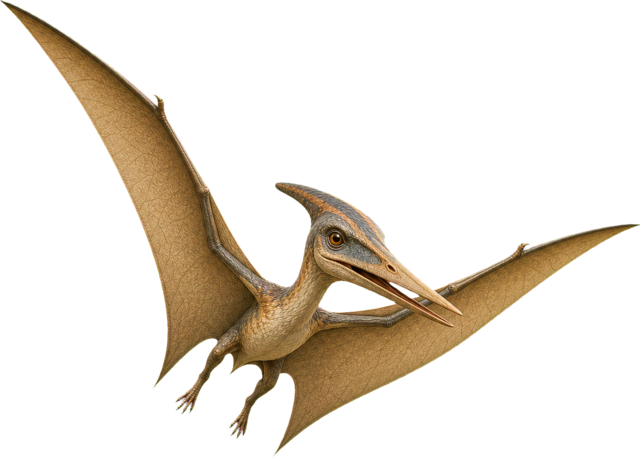
Jurassic
Pterodactylus
Pterodactylus was a small toothed pterosaur from the fine limestone of Solnhofen.
Read about this dinosaurSources and review
How this page is checked
Names, periods, locations, diets, and size estimates are compared with museum and paleontology reference collections. Estimates are rounded and updated when the underlying content changes.
Last content review: June 22, 2026
Read our research method and sources