

Plateosaurus engelhardti
Plateosaurus for kids
Plateosaurus was a large early plant eater from Europe, with a long neck, grasping hands, and thumb claws.
The essentials
What should you know about this dinosaur?
- Length: 7 m long
- Height: 3 m tall
- Weight: about 4 tonnes
- Food: Plant eater
- Time: Triassic
- Region: Central Europe
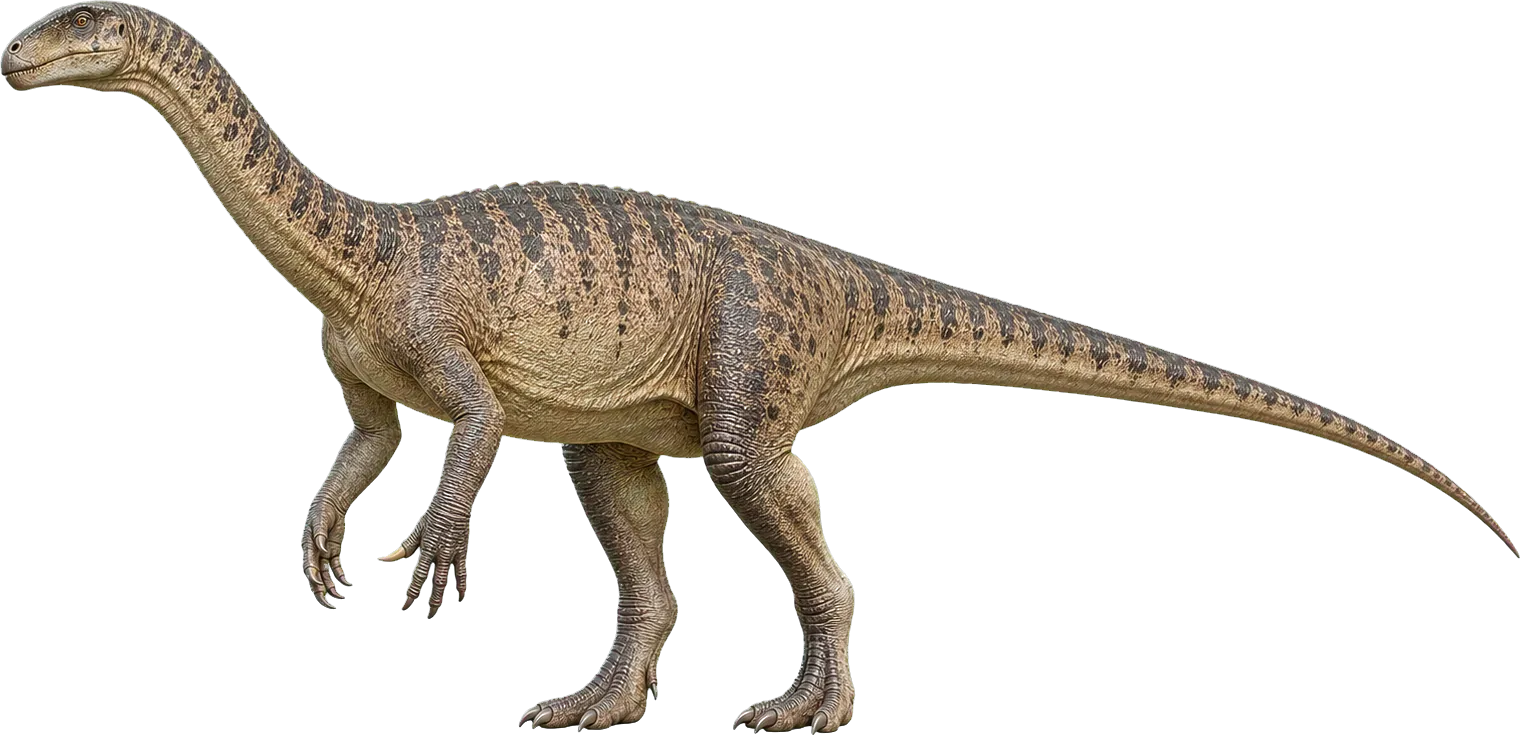
How large was Plateosaurus
The height line shows the raised body. Neck and tail make the whole shape much longer.
Compare in the toolLook a little closer
More about Plateosaurus
Short chapters for curious children and grown-ups who want to read along.
Plateosaurus
Plateosaurus lived in the Triassic, before the famous Jurassic long-necks. It was not a true giant sauropod yet, but for its time it was already a large animal. Fossils are known from Europe, especially places such as Frick in Switzerland and Trossingen in Germany. Plateosaurus had a long neck, long tail, and hands with strong claws. It feels like a fascinating halfway stop: already big, already plant-eating, but more flexible than later pillar-legged giants.
Size
Plateosaurus reached about seven meters long. In its own time, that was impressive, even though later sauropods became much larger. The neck was long, the tail was long, and the body stood higher than many early dinosaurs. It was not Diplodocus; it was an earlier kind: large enough to stand out, but still with hands that could do more than act like columns.
7 m long3 m tallTriassic giant
Food
Plateosaurus ate plants. The long neck helped it reach food, and the hands could help pull branches closer. The thumb claws were strong. The head was small compared with the body, as in many plant eaters. Plateosaurus was no lazy plant vacuum; it was an early plant specialist using neck and hands together.
plant eaterlong neckthumb claws
Habitat
Plateosaurus fossils are famous from several European places. Skeletons were found in a clay pit at Frick, and many bones came from Trossingen too. Triassic landscapes had different plants and animal communities from the later Jurassic. Plateosaurus lived in a world where dinosaurs were becoming large and successful.
EuropeFrickTrossingen
Defense
Plateosaurus had no armor and no giant horns. The strong thumb claws could help with feeding, grasping, or keeping distance. Size helped too, because not many Triassic animals reached its scale. Still, it was not an untouchable giant. Its best gear was the mix of size, neck reach, clawed hands, and flexible movement.
thumb clawsno armorlarge body
Speed
Plateosaurus could hold its body in different ways. The hind legs were strong, the front limbs shorter, and the tail helped with balance. It was not as pillar-legged as later sauropods. It feels more flexible: sometimes held higher, sometimes with the front limbs closer to the ground. That in-between shape is the fascinating part.
strong hind legslong tailflexible posture
Did you know?
Plateosaurus bones show that individuals could grow very differently. Some became larger, while others stayed smaller even at similar ages. A strong growth detail: it makes dinosaurs feel less like machines. Plateosaurus was a real animal species with growth, differences, and many fossils, not just a number in a book.
different growthmany fossilsearly sauropodomorph
about 3 m tall
Beside a child, Plateosaurus already looks huge, even though later long-necks grew bigger. Neck and tail stretch the shape, and the clawed hands remind you that it was not yet a pillar-legged sauropod.
Keep reading
Related dinosaurs
Triassic
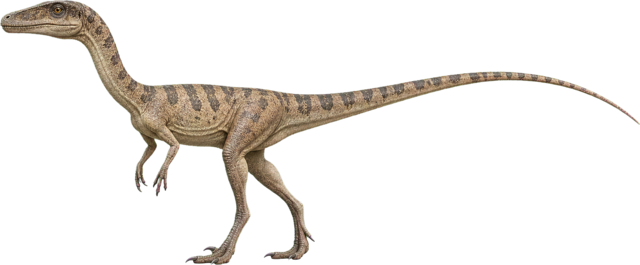
Coelophysis
Coelophysis was a slim early meat eater with hollow bones and many fossils from New Mexico.
Read about this dinosaur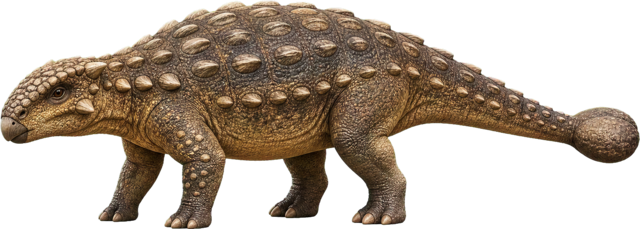
Cretaceous
Ankylosaurus
Ankylosaurus carried bony armor in its skin and a heavy club at the end of its tail.
Read about this dinosaur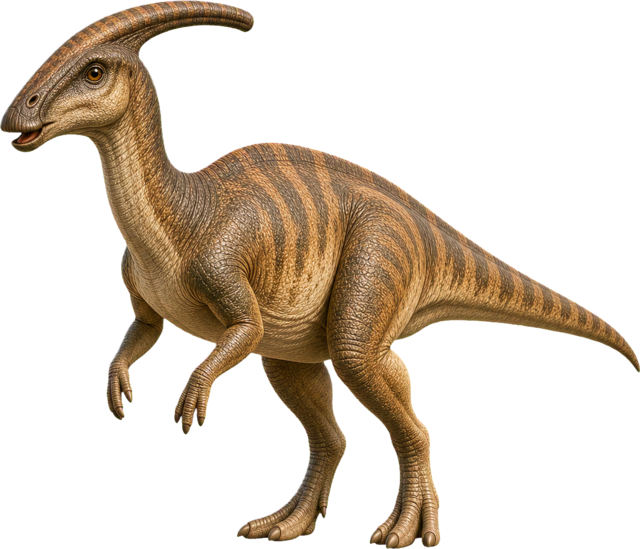
Cretaceous
Parasaurolophus
Parasaurolophus was a duck-billed dinosaur with a long hollow crest on its head.
Read about this dinosaur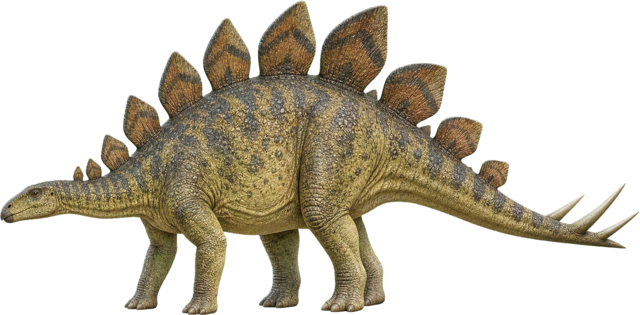
Jurassic
Stegosaurus
Stegosaurus was a plant eater with large back plates, a small head, and serious tail spikes.
Read about this dinosaurSources and review
How this page is checked
Names, periods, locations, diets, and size estimates are compared with museum and paleontology reference collections. Estimates are rounded and updated when the underlying content changes.
Last content review: June 22, 2026
Read our research method and sources