

Pterodactylus antiquus
Pterodactylus for kids
Pterodactylus was a small toothed pterosaur from the fine limestone of Solnhofen.
The essentials
What should you know about this dinosaur?
- Wingspan: 1 m wingspan
- Height: about 0.3 m tall
- Weight: about 2 kg
- Food: Meat eater
- Time: Jurassic
- Region: Europe
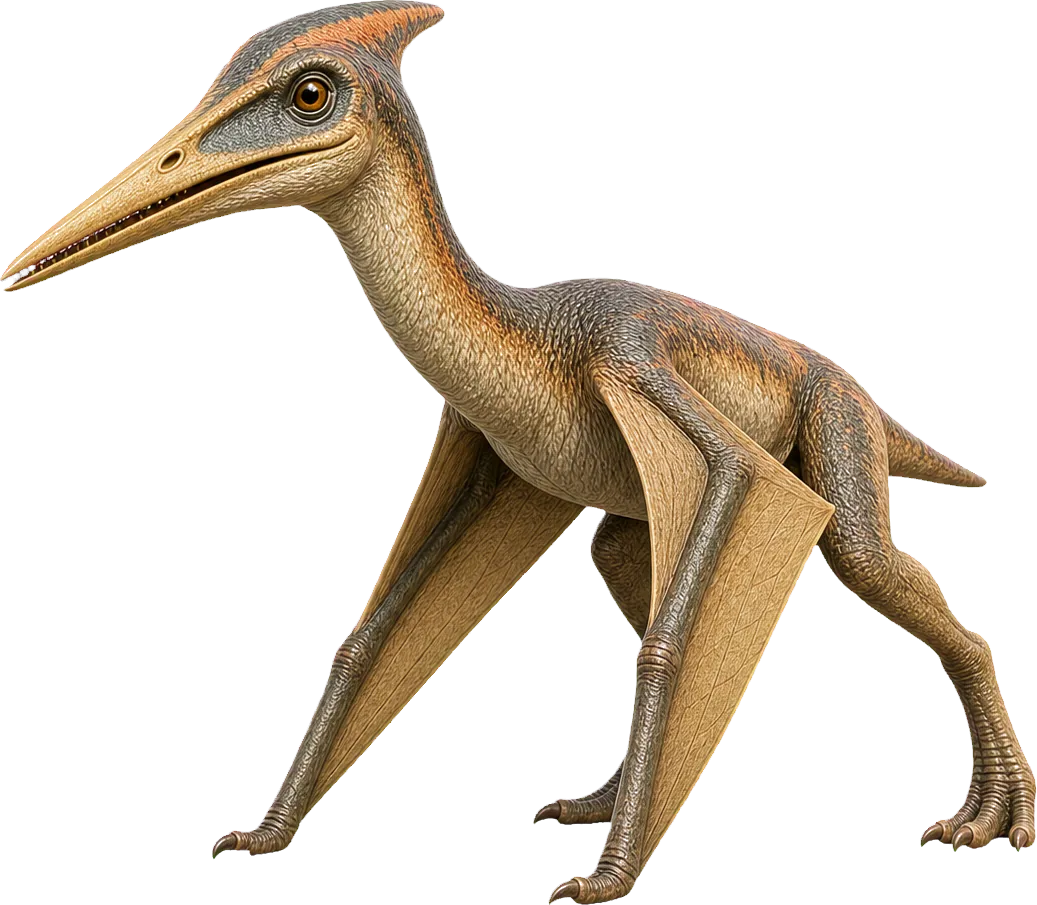
How large was Pterodactylus
The height line shows the small standing body. Wingspan belongs to flight width.
Compare in the toolLook a little closer
More about Pterodactylus
Short chapters for curious children and grown-ups who want to read along.
Pterodactylus
Pterodactylus is one of the names that made pterodactyl famous for flying reptiles. But it was its own animal: a small pterosaur from the Solnhofen limestone of Bavaria. Pterodactylus was not a dinosaur; it was a flying reptile. It had a long narrow skull, many small teeth, and skin wings stretched along an extra-long finger. In Solnhofen, fossils were preserved so finely that delicate bones had a chance.
Size
Pterodactylus had a small body. Its wingspan was about a meter, while standing height was much lower. On the ground, it appears with folded wings. The difference jumps out: body height is not wing width. A small pterosaur could look low on the ground and then become a real air-shape in flight.
1 m wingspan0.3 m tallsmall body
Food
Pterodactylus ate small animals. Its long beak carried many narrow teeth, useful for grabbing fish, small sea animals, or insects. Solnhofen was an island-and-lagoon world, with plenty of food around water. Unlike Pteranodon, Pterodactylus was not toothless. With this animal, the difference sits right in the mouth.
meat eatersmall teethlagoon food
Habitat
The Solnhofen limestone of Bavaria is famous because it can preserve fine fossils. Pterodactylus lived in a Jurassic world of lagoons, islands, and warm shallow water. Small animals could end up in fine mud and later appear as detailed fossils. That fine mud left more than a name: a delicate skeleton in stone.
BavariaSolnhofenLate Jurassic
Protection
Pterodactylus had no armor. The body was light so flight could work. Teeth helped with feeding, wings helped with escape, and small legs carried it on the ground. As a pterosaur, it had to save weight. It looks delicate, and still brilliant: bones, skin wings, and finger became flying gear.
light bonesskin wingsno armor
Movement
The name Pterodactylus connects finger and wing. That fits perfectly, because the main wing support was one greatly lengthened finger. Flight skin stretched along it. On the ground, it used four limbs; in the air, skin wings carried it. The build is so different that you notice at once: pterosaurs are their own thing.
finger wingfour limbsskin membrane
Did you know?
People often say pterodactyl for almost any pterosaur. Pterodactylus itself was a specific animal from Solnhofen. A fun name twist: one small pterosaur became so famous that its name almost covered a whole group. Look closely and you can spot its own features: teeth, small size, Solnhofen fossil.
famous nameSolnhofentoothed
about 0.3 m tall
Beside a child, Pterodactylus is tiny. With wings folded, you see the real body height. The wingspan would spread much wider to the sides, but on the ground this historic pterosaur stays small.
Keep reading
Related dinosaurs
Jurassic
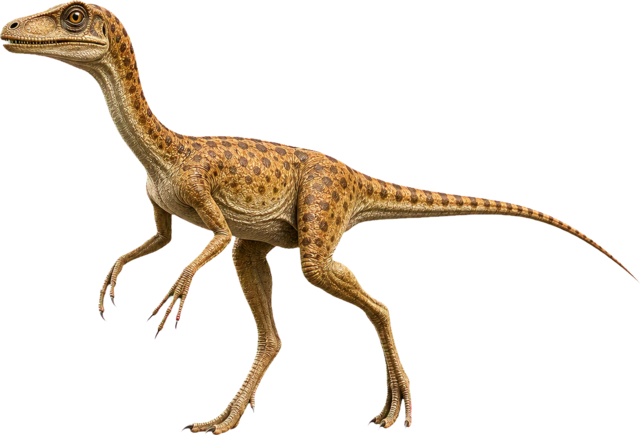
Compsognathus
Compsognathus was a very small Jurassic meat eater; fossils preserve bones of small lizards inside.
Read about this dinosaur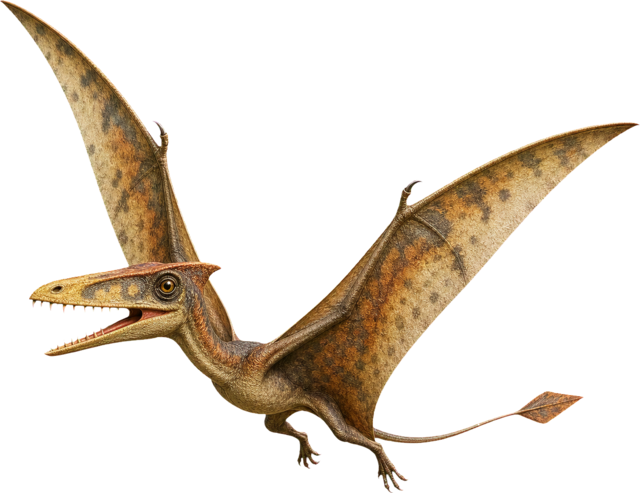
Jurassic
Dimorphodon
Dimorphodon was a pterosaur, not a dinosaur, with a large head and two different tooth shapes.
Read about this dinosaur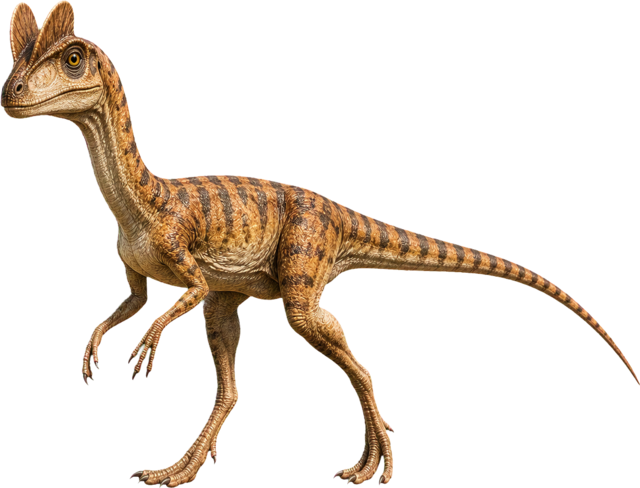
Jurassic
Dilophosaurus
Dilophosaurus was a large Early Jurassic predator with two thin bony crests on its head.
Read about this dinosaur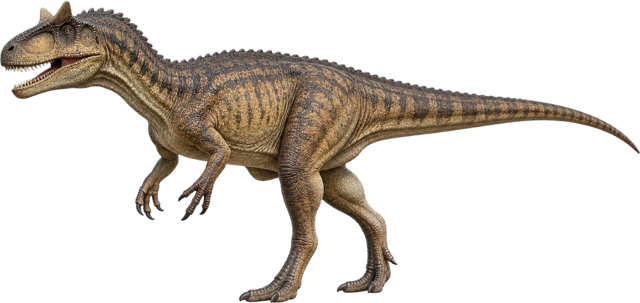
Jurassic
Allosaurus
Allosaurus was a big Jurassic predator with small brow horns, three-fingered hands, and teeth with saw-like edges.
Read about this dinosaurSources and review
How this page is checked
Names, periods, locations, diets, and size estimates are compared with museum and paleontology reference collections. Estimates are rounded and updated when the underlying content changes.
Last content review: June 22, 2026
Read our research method and sources