

Dilophosaurus wetherilli
Dilophosaurus for kids
Dilophosaurus was a large Early Jurassic predator with two thin bony crests on its head.
The essentials
What should you know about this dinosaur?
- Length: 7 m long
- Height: about 2 m tall
- Weight: about 400 kg
- Food: Meat eater
- Time: Jurassic
- Region: North America
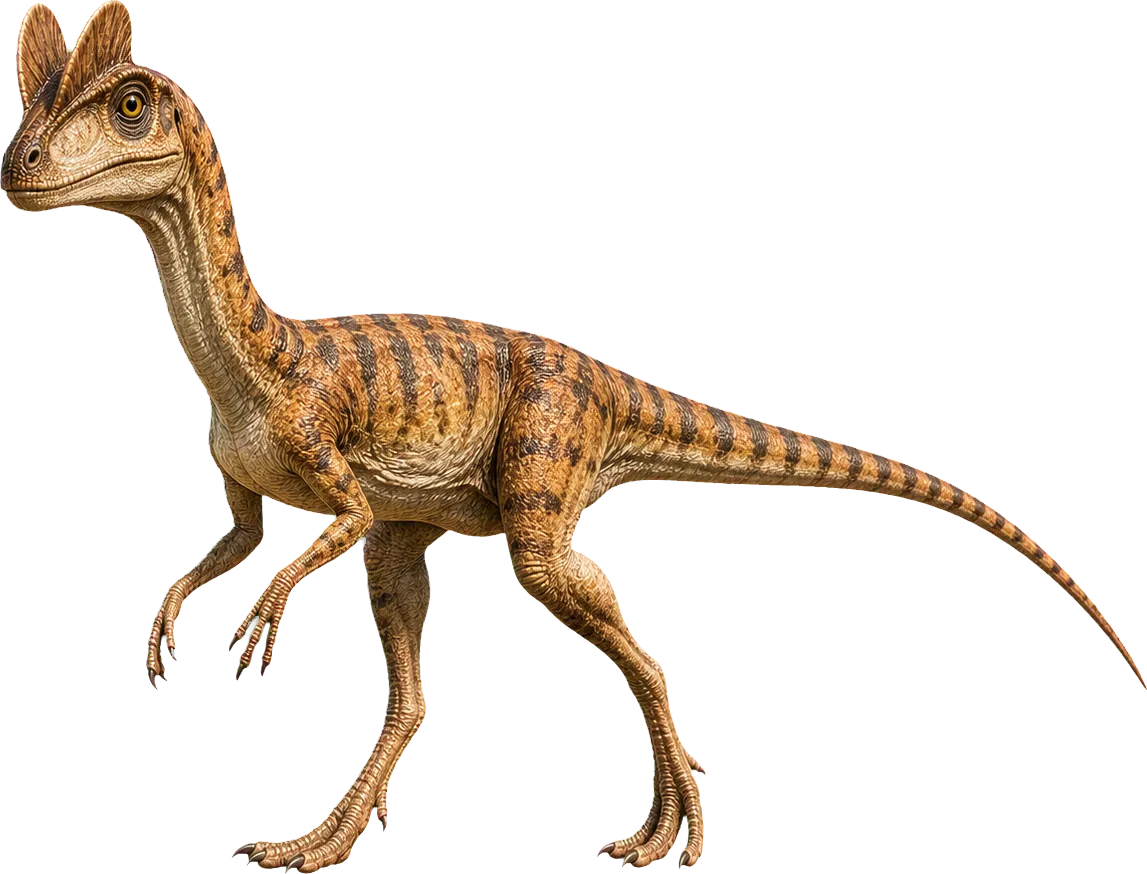
How large was Dilophosaurus
The height line shows the upright body. Full length runs from head across the back to the tail tip.
Compare in the toolLook a little closer
More about Dilophosaurus
Short chapters for curious children and grown-ups who want to read along.
Dilophosaurus
Dilophosaurus had a head you do not mix up: two arched bony crests ran along the top of the skull. It lived in Early Jurassic Arizona, in the Kayenta Formation. The real fossils show a fairly large, long meat eater. A neck frill or spit poison is not part of those bones. The real Dilophosaurus needs no extra tricks: crests, long legs, sharp teeth, and an early Jurassic world full of small and medium animals are plenty.
Size
Dilophosaurus was about seven meters long. Seven meters is much bigger than a person and far beyond a little raptor. The neck was long, the tail was long, and the legs carried a slim but strong body. Two crests sat on top of the skull. They were flashy, but the whole animal was impressive: an early large theropod, not a tiny trickster.
7 m long2 m tallearly theropod
Food
Dilophosaurus ate meat. Its Kayenta world held smaller animals, early plant eaters, reptiles, and other creatures that fit a large predator. The teeth were sharp and the head was long. The crests were not eating tools; they were bony head display. Feeding took jaws, teeth, legs, and a body that could reach prey quickly.
meat eatersharp teethKayenta world
Habitat
The Kayenta Formation in Arizona preserves Dilophosaurus fossils. Back then, the landscape was warm, with river channels, sandy areas, and planty patches. Dinosaurs were not yet as varied as they became later in the Cretaceous. Dilophosaurus stands out here: a large two-legged predator in an early dinosaur world, long before T-Rex.
ArizonaKayenta FormationEarly Jurassic
Protection
The two crests on the head looked striking, but they were thin. They were no armor and no ramming weapon. They fit better as a visual signal: look, Dilophosaurus. For real danger, it had other tools: size, teeth, legs, and claws. The headgear made it special; the rest of the body did the predator work.
two creststhin boneclaws
Movement
Dilophosaurus moved on two hind legs. The long tail steadied the body while the neck and head pointed forward. Because it lived early in the Jurassic, it feels like a big step toward later predator shapes. You can already see much of what made theropods work: two-legged walking, grasping arms, long tail, alert head.
two-leggedlong tailgrasping arms
Did you know?
With Dilophosaurus, the best part is what the stone really gives us. Two real bony crests beat invented extras. Its fossils have been studied again and show a stronger, more interesting body than older pictures suggested. The real Dilophosaurus is a large early crested predator from Arizona, a great entrance all by itself.
twin crestsreal fossilsArizona predator
about 2 m tall
Beside a child, Dilophosaurus is a large two-legged predator. The crests sit on top of the skull and make the head instantly noticeable. Length comes from neck, body, and long balancing tail.
Keep reading
Related dinosaurs
Jurassic
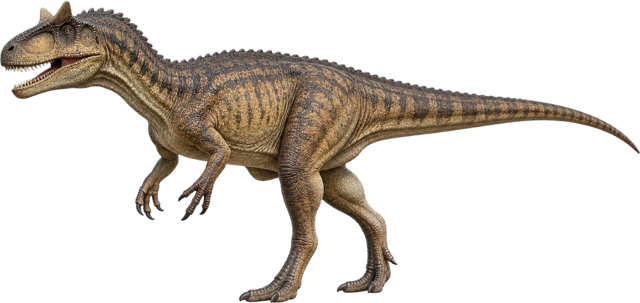
Allosaurus
Allosaurus was a big Jurassic predator with small brow horns, three-fingered hands, and teeth with saw-like edges.
Read about this dinosaur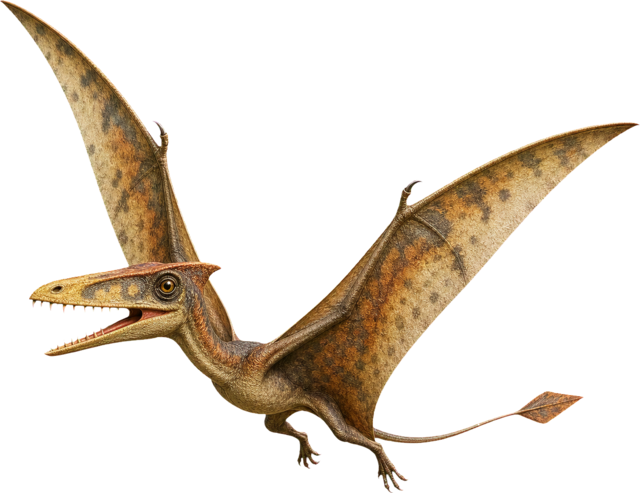
Jurassic
Dimorphodon
Dimorphodon was a pterosaur, not a dinosaur, with a large head and two different tooth shapes.
Read about this dinosaur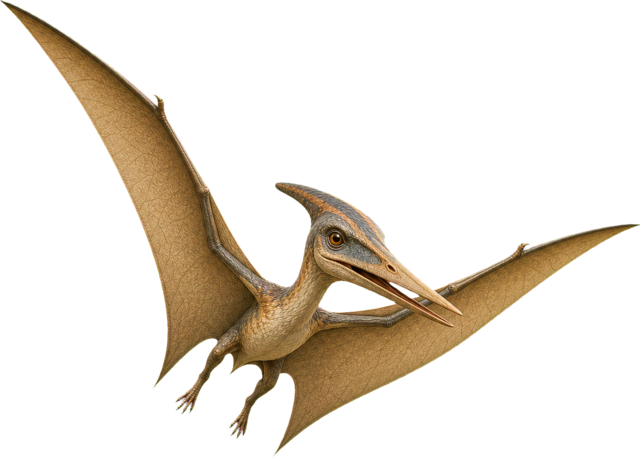
Jurassic
Pterodactylus
Pterodactylus was a small toothed pterosaur from the fine limestone of Solnhofen.
Read about this dinosaur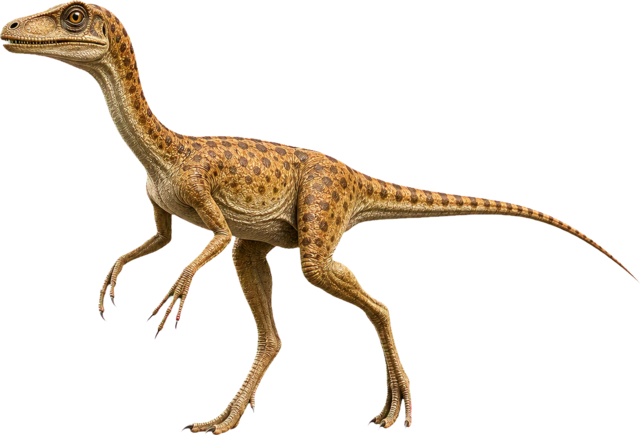
Jurassic
Compsognathus
Compsognathus was a very small Jurassic meat eater; fossils preserve bones of small lizards inside.
Read about this dinosaurSources and review
How this page is checked
Names, periods, locations, diets, and size estimates are compared with museum and paleontology reference collections. Estimates are rounded and updated when the underlying content changes.
Last content review: June 22, 2026
Read our research method and sources